 Manchester is a vibrant city with a strong job market, evolving economy, family-friendly amenities, and exciting nightlife. It has become a hot spot for people of all ages. This trend has positively impacted the real estate market, with houses and apartments in high demand. Finding a new place in Manchester can be stressful, so don’t add to the stress by worrying about what to do with the junk from your old space. The solution is to outsource your junk removal task to the best junk removal services in Manchester. This means hiring junk removal experts to take care of your unwanted items or junk during your move. With professionals handling your junk, you can focus on more important things. Contact Vetrun Movers, the Best Junk Removal Services in Manchester Learn About the Best Junk Removal Services in ManchesterThe Benefits of Outsourcing Cleanouts While RelocatingAnyone who has experienced moving knows how daunting the task is. Those who are just starting may feel confused and overwhelmed. It becomes even more challenging for working professionals. Balancing work, social life, logistics, paperwork, and relocation can be draining. Outsourcing cleanouts while relocating can be very helpful. The benefits are mentioned here: Reduced WorkloadMoving involves a lot of work such as packing, organizing, logistics, and saying goodbyes. Outsourcing cleanouts alleviates a major strain from your to-do list, enabling you to concentrate on more important tasks. Time EfficiencyIt takes time to go through your stuff, decide what to keep and what to discard, and then physically remove unwanted items. Professional clean-out services handle everything efficiently, freeing up your valuable time for packing, moving, and settling into your new home. Professional HandlingLarge furniture, appliances, or substantial amounts of items can be challenging to handle independently. Cleaning companies have the expertise and equipment to safely and efficiently dispose of these objects, minimizing the risk of injury or property damage. Sustainable DisposalMany cleaning services prioritize proper waste disposal. They sort through items, donate or recycle what is usable, and dispose of unwanted materials in accordance with relevant environmental regulations. This ensures that your discarded items are not unlawfully sent to landfills. Cost EfficiencyWhile there is an initial expense for clean-out services, they can be quite affordable. Consider the cost of renting a truck or trailer, disposal fees, and the time required if you were to do it yourself. Professional services may offer a more efficient use of your resources. Peace of Mind Knowing that skilled professionals will handle the clean-out gives you peace of mind. You can enjoy the stress-free pleasure of moving into a new house without worrying about the challenges of disposing of unwanted items. SafetyMoving large objects can be risky. Cleaning personnel are trained and equipped to handle these items safely. FlexibilityMany organizations offer flexible scheduling options to accommodate your moving schedule. Potential for DonationsSome services may help donate useful items to charities, giving them a second life. In summary, outsourcing cleanouts while relocating is a convenient, efficient, and cost-effective option. It allows you to save time, reduce stress, and dispose of unwanted items in an environmentally friendly manner. But the big question remains: how do you choose the best junk removal services? Choosing the Best Junk Removal Services in ManchesterThere is no universal standard for junk because, as the saying goes, “One man's trash is another man’s treasure.” The subjectivity lies in a junk removal company’s need to respect the preferences and decisions of their clients regarding what they consider unwanted and how they prefer it to be removed. Effective communication and openness from both parties are essential. When selecting the best company for your junk removal, ensure they adhere to these principles: Licensing and Insurance It’s crucial to ensure the company you hire is licensed to provide junk removal services. Licensing ensures they are legally recognized and accountable, preventing potential issues such as the disappearance of your belongings or negligent disposal. Also, verify that the company has insurance to cover any damages caused during the junk removal process. This coverage will provide financial and mental peace of mind in case of any unexpected incidents. Clear Pricing Always opt for a company with a transparent pricing structure that discusses payment openly without shady or negligent behavior. Ensure they provide clear receipts for all financial transactions to avoid hidden fees and ensure transparency. Services OfferedWhen selecting a junk removal company, review the services they offer and inquire about any additional charges for specific types of junk removal. For instance, if you have broken furniture, check if the company provides furniture removal services and if there are extra fees associated with it. Some companies may offer additional services like disassembling furniture; inquire about the pricing for such services. It’s important to choose a company based on the type of junk you need to be removed. Some companies specialize in electronics, furniture, appliances, etc. Understand their service offerings thoroughly before making your decision on a junk removal company. Waste Disposal Practices Just because the waste is removed from your space doesn’t absolve you of responsibility. It’s important to ensure the company you hire engages in eco-friendly waste disposal practices such as recycling, reusing, upgrading, and donating usable items. Hiring a company with correct disposal practices is essential; otherwise, it defeats the purpose, and you might as well dispose of the junk in the trash yourself. Customer Reviews Reviewing customer reviews and testimonials, both online and locally, can provide valuable insights into a company’s reputation and customer service quality. A reputable company typically garners positive feedback and maintains a loyal customer base. How do Junk Removal Experts Work?Junk removal specialists simplify the process of disposing of unwanted items, which is particularly beneficial during relocation, renovation, or decluttering. Here is a comprehensive summary of their services: Step One: Initial InquiryTypically, you would contact a junk removal company by phone, email, or through an online form to make an initial inquiry. Step Two: Understanding Your NeedsDuring the initial conversation, you’ll discuss the scope of the job with the junk removal company. This includes detailing the types and quantities of junk you need removed (such as furniture, appliances, electronics, etc.). Mention any bulky or difficult-to-remove items. Also, share your preferred clean-out date and time for scheduling purposes. Step Three: Quote and SchedulingDepending on the details you provide, the company may offer a preliminary quote over the phone. For more complex jobs, they might suggest a free on-site evaluation to provide a more accurate price estimate. Step Four: On-Site Evaluation It is an optional step that aids in assessing the situation. Some organizations provide (or require) an on-site examination before confirming a quote. This allows the crew to:
Once this assessment is complete, final pricing can be discussed. Step Five: Verifying Details and PricingFollowing the evaluation, the crew will confirm the final scope of work and provide a formal quote. This ensures clarity on what is included and any possible additional expenses. Step Six: Scheduling the Pick-UpOnce the price is finalized, you can schedule the pickup according to your availability and the working hours of the junk removal company. Step Seven: Picking UpOn the removal day, the junk removal personnel will arrive at the specified time, typically in a vehicle capable of hauling large items. They will ensure they understand and follow your instructions. While relocating your junk from house to vehicle, they will ensure the following: Protecting Your PropertyCompetent companies take precautions to protect your floors and doors from scratches or damage during the removal process. Junk LoadingThe personnel will efficiently load the unwanted items into the vehicle. They are trained to handle large items safely while minimizing disruption to your space. Sorting and DisposalMany companies sort through materials during loading. Usable items may be offered for donation with your approval, while unusable materials are disposed of in compliance with local regulations. Throughout the entire process, the team will keep you informed of their progress and address any questions you may have. Step Eight: Verifying Your SatisfactionAfter everything is loaded, the crew will conduct a final walk-through with you for your complete satisfaction. Step Nine: Collecting Payment Once everything is confirmed, you will make the payment using the specified form and receive a receipt for record-keeping purposes. Also, be sure to confirm and utilize any additional benefits that certain companies offer. Some companies provide extra services such as free furniture disassembly or appliance removal, while others may charge for these services. Following these steps ensures that junk removal experts carry out the process in a hassle-free, transparent, smooth, and efficient manner for you. If you’re searching for the best junk removal services in Manchester, contact Vetrun Movers as they are the most efficient Manchester cleanout specialists. Vetrun Movers: Manchester Cleanout SpecialistsVetrun Movers, co-founded by a disabled US Army veteran, is a dedicated moving company operating locally in Manchester, New Hampshire. They have experienced experts who can assist with various relocating processes. Services Offered by their Junk Removal ExpertsFrom Apartments to Offices The company provides moving services for large-scale homes and apartments. They are also equipped to handle the relocation of office spaces, pianos, and commercial properties. Cleaning ServicesThey also offer house cleaning services, allowing you to schedule cleaning immediately after all your junk has been removed. Gun-Safe Moving Gun-safe moving services require meticulous attention to detail and expertise, and Vetrun Movers specializes in this area. They have an experienced team and excellent tools to ensure your assets are transferred hassle-free, without any damage, and with the highest level of safety and security. Customer-Oriented CompanyThe company maintains a customer-friendly approach to conducting its business. They value and respect the opinions and considerations of their clients with utmost care and consideration. Competitive Pricing They offer competitive pricing, which means you can always discuss the cost. This makes them one of the most cost-effective options for moves in Manchester. Experienced ExpertsVetrun Movers is equipped with experienced manpower. These experts possess extensive knowledge in both business operations and the moving industry. Strong ValuesThey believe in giving back to the community by sorting your junk into various categories and following the principles laid out by Manchester local authorities. This includes selling, discarding, or disposing of junk in an environmentally friendly manner. Manchester has an inclination towards recycling, a value embraced by Vetrun Movers. They also contribute to the community by donating usable items with your permission. They are flexible in accommodating your preferences while adhering to ethical standards and regulations. That's why Vetrun Movers has the best junk removal services in Manchester. Choose Vetrun Movers Today and Get the Best Junk Removal Services in Manchester ConclusionMoving into a new space often involves leaving behind items that no longer serve a purpose. Handling junk removal all by yourself can be difficult and effortful. However, experienced professionals make the process significantly easier. In Manchester, there is a diverse array of junk removal companies offering tailored and comprehensive services that align perfectly with your needs. Choosing the best junk removal service in Manchester can transform the moving experience from stressful to enjoyable. If you’re ready to dispose of unwanted items, kindly reach out to Vetrun Movers for the best junk removal services in Manchester. Frequently Asked Questions (FAQs)How to choose the best junk removal services in Manchester?Here are crucial factors to consider when choosing the best Manchester cleanout specialists:
What do you mean by outsourcing junk removal? Outsourcing junk removal involves hiring a professional company to transport and dispose of your unwanted items, rather than handling the task yourself. How do I get rid of old furniture in Manchester?Here are several ways to dispose of furniture in Manchester:
0 Comments
 Moving from one location to another involves numerous logistical challenges and physical tasks. Moving to a new city or other place in the same city can be both exhilarating and overwhelming. Moving in and out of Manchester is not exceptional. If you have a plan to move your residences or businesses to Manchester or from Manchester to another city, this blog will help you to resolve the issues of moving. This blog gives an insight into the working Vetrun movers, movers with the local expertise, who know in and out of Manchester neighborhoods. Vetrun Movers: Manchester movers who know in and out of Manchester neighborhoodVetrunmovers are the local movers of Manchester who provide top-notch moving services tailored to your unique requirements in New Hampshire, NH. It was founded by Cordan, a disabled veteran. Cordan was a US Army Cavalry Scout and brings seven years of experience as a General Manager for U-Haul “in Nashua New Hampshire, Salisbury Massachusetts”. Vetrun Movers is co-owned by James McTiernan who brings 30+ years of business management as well as many years of moving experience. Vetrun humbly accepts that the day they started this enterprise they had no other goals than to provide top-quality services and solutions to their clients and provide their employees with a decent living. Today Vetrun movers runs with the motto “Your move, Our mission”. Never did they think that their impact on the industry would be so dramatic. It is now entirely driven to achieve its goal of revolutionizing the industry as a whole. This can be seen from the diversified services they provide. Services provided by Vetrun MoversVetrun movers provide top-notch moving services for your every unique requirement in and out of Manchester in New Hampshire, NH.
Apart from the services they provide, it's the way they handle every move, which makes them numero uno local movers of Manchester. There are many advantages to collaborating with them. Local Expertise Vetrunmover is a dedicated company for all local moving needs in the Manchester area. Their team is adept in the local expertise. They know in and out of Manchester neighborhoods. This ensures a commitment to your local move that is seamless and stress-free, so you can focus on settling into your new space. They have a deep knowledge of Manchester and its neighborhoods, allowing it to plan your move meticulously. Vetrun understands the city's unique challenges and can navigate them effortlessly, ensuring your belongings and materials arrive safely at your new destination. The team has in-depth knowledge of the local neighborhoods, traffic patterns, logistical challenges, road challenges, and administration to ensure seamless movement. Tailored ServicesNo two moves are the same. That's why Vetrun offers customized solutions to meet your specific requirements. Whether you're moving within the city limits or to a nearby town, our team collaborates closely with you to create a personalized and customized moving plan. Professional team Vetrun’s team are experienced local movers in Manchester, NH. They are fully trained, insured, and equipped with the latest tools and equipment. You can trust them to handle your movement efficiently and safely, regardless of its size or complexity. The team is honest, polite, obedient, and always ready to hear from you. Highly trained and courteous professionals, we are committed to providing you with the best possible service.The Vetrun team handles your belongings and materials with the utmost care, from packing to unloading. Packing and unpackingVetrun’s skilled packers take the hassle out of preparing for your local and residential move in Manchester, NH. They understand that the key to a successful move is proper packing, and that's why they use high-quality materials and proven techniques to ensure the safety of your belongings during transit. Whether you have delicate glassware, valuable electronics, or sentimental items, expert packers will handle them with the utmost care. They take the time to label and organize your boxes, making it easy to locate your items when it's time to unpack. To unpack, Vetrun Movers goes the extra mile by offering assistance at your new residence. They understand that a moving day can be overwhelming, and their team can help you unpack your belongings, assemble furniture, and set up your new home. This service not only saves you time and effort but also allows you to settle into your new space faster, reducing the stress associated with a move. TransportationVetrun movers believe that reliable transportation is the backbone of any successful local and residential movement. They use well-maintained and specially designed vehicles to handle moves for all sizes. Maybe you are moving to cozy apartments or a spacious home in Manchester, NH. The vehicles are equipped to accommodate your needs. All the drivers of the vehicles are experienced and familiar with the best route in the area to enable seamless navigation of the local roads. It ensures your items arrive at the new address on time. Vetrun's packing teams use straps and padding to prevent damage. Storage SolutionsVetrun experienced local and residential moving people who needed temporary storage solutions for belongings. Vetrun movers cover the belongings with climate-controlled storage facilities in Manchester, NH. Whether you may need temporary storage for a few days, weeks, or even months. Vetrun’s storage solutions offer the flexibility you need during a transitional period. You can trust Vetrun Movers to keep a watchful eye on your items while they are in storage, giving you peace of mind during your move. When you're ready to retrieve your belongings, they make the process seamless, ensuring that everything is accounted for and delivered to your new home. Specialty Items HandlingVetrun movers understand that all belongings are not created equal, and some items require special care and attention. Vetrun Movers prides itself on its expertise in handling specialty items, whether it's delicate antiques, grand pianos, or valuable artwork. The team has the training and experience to handle these items with care. For delicate antiques and artwork, Vetrun movers employ custom crating and packing methods to safeguard their condition during transit. Stress-free experience Vetrun understands that moving can be stressful. Their mission is to alleviate that stress. With Vetrun Movers, you can relax, knowing that they'll take care of all your things and the logistics. You can focus on the excitement of starting anew while they handle every mundane aspect of the move, including the heavy lifting. What makes Vetrun movers the best local movers in Manchester?Vetrun movers action planA good move is one that takes less time. Vetrun mover’s goal is to minimize the transition time. Their team always makes a smart plan before starting to relocate. To complete the relocation their team has a proactive mindset. The biggest advantage of choosing Vetrunmovers for relocation is their assurance of seamless move. This is possible only because they know in and out of Manchester neighborhoods to enable a perfect transition. Obstacles Another point that makes Vetrun movers, the most trusted movers of Mancehster is the way they deal with obstacles. They experience different obstacles to relocating in time. Legal papers, permission, permits and tax, etc are the major obstacles faced frequently. The team of Vetrun movers is always ready to deal with every obstacle and help to resolve the issues to complete the relocation in time. Being the local movers of Manchester, they have multiple local connections in Manchester and its neighborhoods. It ensures every obstacle is turned into a helpful move of commitment. Service areas of the Manchester local movers
Frequently asked questions WHAT AREAS DO VETRUN MOVERS SERVE IN MANCHESTER, NH?
Vetrun Movers specializes in local moves within Manchester and its surrounding areas. They serve: Nashua, Salem, Hudson, Merrimack, Amherst, Bedford and Candia. CAN VETRUN MOVERS ACCOMMODATE BOTH RESIDENTIAL AND COMMERCIAL MOVES?
Yes, Vetrun Movers is equipped to handle both residential and commercial moves. Whether you're relocating your home or office, their professional team has you covered. HOW DO VETRUN MOVERS ENSURE THE SAFETY OF MY BELONGINGS DURING THE MOVE?
Vetrun is a team of experienced local movers in Manchester, NH that fully trained. We also use the latest tools and equipment to ensure the safe transportation of your belongings, regardless of their size or complexity. WHAT SETS VETRUN MOVERS APART FROM OTHER LOCAL MOVING COMPANIES IN MANCHESTER, NH?
Vetrun Movers stands out due to their local expertise, tailored services, competitive pricing and commitment to providing a stress-free moving experience. Our professional team is dedicated to making your move as smooth as possible. HOW CAN VETRUN MOVERS ASSIST WITH PACKING AND UNPACKING DURING A RESIDENTIAL MOVE IN MANCHESTER, NH?
Vetrun’s skilled packers use high-quality materials and techniques to ensure the safety of your belongings during transit. They also offer assistance with unpacking at your new residence, saving you time and effort. They take care of labeling and organization, making it easy for you to locate your items when it's time to unpack. WHAT TRANSPORTATION SERVICES DO VETRUN MOVERS OFFER FOR RESIDENTIAL MOVES IN MANCHESTER, NH?
Veteran Movers have a well-maintained fleet of vehicles specifically designed for local moves of all types and sizes. Their experienced drivers know the best routes in the area, ensuring your items arrive at your new address on time and in perfect condition. We secure your possessions during transit using straps and padding to prevent shifting and damage.  Vetrun Movers was established by Cordan, a disabled veteran and US Army Cavalry Scout, along with co-owner James McTiernan. We boast extensive experience in both business management and the moving industry. With seven years spent as a General Manager for U-Haul and 30 years of business management experience under our belt, Vetrun Movers ensure a customer-focused approach and top-tier service for your move. Manchester Efficient Moving Solutions From the very outset, the sole aim of Vetrun Movers was to deliver exceptional services to clients in Manchester while ensuring our employees earned a fair livelihood. Little did we anticipate the profound impact this venture would have on the industry. Now, with firm foundations in place, our objectives have evolved. Our singular focus is on revolutionizing the industry entirely. By selecting our services today, clients can participate in this transformative journey, assured that they will not be disappointed. Our Services This is where our unique business approach shines, turning promises into reality. We aim to be New Hampshire's top movers and offer the best Manchester customized moving options. Explore our services and expect expert assistance, including handling heavy items like pianos, gun safes, and furniture. ● Local Moves ● Residential Moves ● Corporate Relocation ● Cleanouts And Junk Removal ● Cleaning Services ● Realtor Services Local Moves Local Expertise Benefiting from our extensive familiarity with Manchester and its neighborhoods, we effortlessly navigate the city's unique challenges to ensure the safe arrival of belongings at their new destination through efficient moving solutions. Tailored ServicesRecognizing the individuality of each move, we provide tailored solutions to meet specific needs, collaborating closely with clients to develop personalized plans, whether the relocation is within city limits or to a nearby area. Affordable RatesCommitted to accessibility, Vetrun Movers offers competitive rates without compromising on quality, ensuring exceptional value for every investment made. Professional TeamOur team of skilled local movers in Manchester, NH is fully trained, insured, and equipped with the latest tools and technology, guaranteeing efficient and safe handling of moves, regardless of size or complexity. Stress-Free ExperienceRecognizing the inherent stress of moving, our mission is to alleviate it entirely. With Vetrun Movers, clients can unwind, confident that all logistics will be managed seamlessly. This allows individuals to concentrate on the excitement of beginning afresh, while the heavy lifting is expertly managed by our team. Residential Moves Vetrun Movers acknowledges that residential moves encompass more than just relocating belongings; it's about alleviating stress, ensuring item safety, and delivering reliable service from start to finish. Our comprehensive residential moving services include: Packing and Unpacking Expert packers from Vetrun Movers streamline the preparation process for residential moves in Manchester, NH. Utilizing high-quality materials and proven techniques, they ensure belongings' safety during transit. Our meticulous labeling and organizing facilitate easy unpacking upon arrival at the new residence. Loading and Unloading Vetrun Movers handles the physical demands of moving efficiently, particularly when dealing with bulky furniture and fragile items. Our skilled team adeptly loads and unloads items, using specialized equipment and techniques to prevent damage during transit. Upon arrival, we carefully place belongings as directed, easing the unpacking process. TransportationMaintaining a fleet of well-maintained vehicles, Vetrun Movers ensures reliable transportation for moves of all sizes within Manchester, NH. Experienced drivers navigate the best routes, employing extra precautions to secure possessions during transit. Storage Solutions For temporary storage needs during a residential move, Vetrun Movers offers secure and climate-controlled facilities in Manchester, NH. Our flexible storage solutions provide peace of mind, with attentive monitoring and seamless retrieval when needed. Specialty Items HandlingVetrun Movers specializes in handling delicate and valuable items, employing custom crating, wrapping, and packaging methods as needed. From antiques to pianos and artwork, our trained team ensures precise and careful transportation of specialty items. Corporate Relocation ● Embarking on the journey of building a company from scratch is undeniably rewarding, despite the countless hours of dedication and hard work involved. As the company expands, the need for larger premises becomes inevitable, presenting a myriad of challenges, particularly in the relocation process. Instead of tackling this alone, potential clients are encouraged to reach out for assistance. ● With a commitment to minimizing disruptions to daily operations, Vetrun Movers emphasizes proactive planning tailored to each corporate move's unique requirements. Regardless of the reasons prompting the relocation, whether tax-related or otherwise, the company assures clients of a seamless transition. ● Addressing common concerns such as ensuring the comprehensive relocation of office assets, Vetrun Movers guarantees to handle every aspect of the move efficiently, allowing clients to focus on essential matters. ● While the immediate financial gains from relocation may not be apparent, Vetrun Movers emphasizes the value proposition of our services, emphasizing that value transcends monetary considerations. Clients are encouraged to contact the company to discover how we can enhance their relocation experience. Cleanouts/Junk Removal Any Form of JunkWhether transitioning into a new residence or a modern corporate environment, it presents an ideal occasion to declutter accumulated items. Vetrun Movers offers a hassle-free solution for disposing of any unwanted items. Simply inform us of the items earmarked for disposal, and our proficient team will swiftly handle the process. From outdated furniture and appliances to redundant office equipment, we ensure responsible disposal practices. Clients are encouraged to contact us today to schedule their junk removal service. Recycle or Donate At Vetrun Movers, we initiate a social endeavor alongside our primary services to contribute to the local community. We strive to repurpose or donate items discarded by clients, with a focus on aiding community members in need. When feasible, Vetrun Movers opts for donation, recognizing that some items may not be suitable for this purpose and will be recycled instead. Beyond our core moving and cleaning services, we prioritize community assistance. Cost FriendlyClients may find Vetrun Movers' rates for clean-out or junk removal surprisingly affordable. Leveraging the efficiency of bundling multiple services, we offer cost-effective solutions. This strategy mirrors the economic principle of bulk purchasing, resulting in reduced input costs for both the company and its clients. Professional Piano Movers Vetrun Movers stands as the premier choice for piano moving services in Manchester, NH, distinguished by several key factors: Specialized ExpertiseVetrun Movers boasts a dedicated team with specialized expertise in piano transportation. They understand the nuances of moving various types of pianos, from upright to concert grand, treating each instrument with meticulous care and precision. Professional EquipmentUtilizing state-of-the-art equipment tailored for piano moving, we ensure the safe and secure transportation of pianos. From piano dollies to specialized vehicles, we employ tools designed to maintain stability and protect against damage during transit. Tailored ServicesCommitted to meeting diverse needs, Vetrun Movers offers comprehensive piano moving services tailored to individual requirements. Whether for local or statewide moves, we provide customized plans, including basic transport or full-service options like disassembly and reassembly. Emphasis on SafetySafety is paramount at Vetrun Movers, with experienced movers undergoing rigorous training in proper handling techniques. Personal protective equipment is utilized, and meticulous precautions are taken at every stage of the move to minimize injury risks. Insurance CoverageRecognizing the importance of protection, we provide comprehensive insurance coverage to safeguard pianos throughout the moving process. This coverage offers peace of mind against potential damage or loss, ensuring clients' valuable investments remain protected. Opting for Vetrun Movers as your piano moving service in Manchester, NH, guarantees a methodical and meticulous process: Piano Moving Process ● EvaluationVetrun Movers initiates the process by assessing your piano's specifications, including size, weight, and any unique considerations, guiding our tailored approach to the move. ● PreparationOur team meticulously readies your piano for transportation, employing appropriate padding and protective coverings. We also handle disassembly and packing of any detachable components as needed. ● TransitUtilizing specialized equipment and vehicles, Vetrun Movers ensures the secure transportation of your piano. Our adept drivers navigate Manchester, NH's routes adeptly, ensuring a smooth and safe journey. ● Unpacking and ReassemblyUpon reaching the destination, Vetrun Movers takes charge of unpacking and reassembling your piano with precision. We ensure it's positioned according to your preferences, ready for immediate use. ● Final InspectionBefore concluding the job, Vetrun Movers conducts a thorough final inspection to verify the piano's condition, ensuring it remains intact throughout the relocation process. Gun Safe MoversWe also stand out as the top choice for those seeking professional gun safe moving services in Manchester, NH, boasting several key advantages: ● Extensive ExpertiseOur team comprises highly skilled professionals with a proven track record in successfully relocating various types of gun safes, possessing a deep understanding of the complexities involved in such tasks. ● Specialized EquipmentWe utilize cutting-edge equipment specifically designed for moving gun safes, including heavy-duty dollies, stair climbers, and rigging tools, ensuring precise and efficient handling regardless of size or weight. ● Prioritizing SafetySafety remains paramount throughout every move. We strictly adhere to stringent safety protocols employing proper lifting and handling techniques to prevent accidents and safeguarding both clients' property and the well-being of our crew. ● Tailored SolutionsRecognizing the unique nature of each gun safe relocation, we offer customized services tailored to individual needs, whether for local moves within Manchester or statewide relocations, ensuring a smooth and secure process from start to finish. ● Comprehensive InsuranceVetrun Movers provides comprehensive insurance coverage, offering added peace of mind by safeguarding both the gun safe and its contents throughout the entire moving journey, thus providing reassurance against unforeseen circumstances. The Vetrun Movers Gun Safe Moving Process We offer a structured and secure gun safe moving process in Manchester, NH, ensuring a smooth experience for our clients: ● EvaluationWe begin by assessing the size, weight, and location of the gun safe, allowing them to plan the move effectively and allocate the necessary resources. ● PreparationOur team meticulously prepares the gun safe for transportation, securing its contents, disassembling removable parts, and ensuring proper balance for safe transit. ● TransportUtilizing specialized equipment and vehicles, we transport the gun safely, leveraging our expertise to navigate Manchester's routes for a safe journey. ● Unpacking and PositioningUpon arrival at the destination, we handle the unpacking and precise placement of the gun safe, ensuring it is level and securely positioned according to the client's preferences. ● InspectionPrior to concluding the service, we conduct a thorough inspection to verify the safe's condition and the integrity of its contents, ensuring they arrive in the same state as packed. Contact Tel: 6172494857 Email: [email protected] Url: vetrunmovers.com Location Vetrun Movers LLP 100 Adeline St, Manchester, NH 03102 Conclusion Vetrun Movers sets the standard for professional gun safe moving services in Manchester, NH. With our experienced team, specialized equipment, meticulous approach to safety, customized solutions, and comprehensive insurance coverage, clients can trust us to handle their gun safe relocation with precision and care. From the initial assessment to the final inspection, Vetrun Movers ensures a seamless and secure moving process, providing peace of mind to customers throughout every step of the journey. Choose Vetrun Movers for your gun safe move in Manchester, NH, and experience the difference that expertise and dedication make. Frequently Asked QuestionsWhat sets Vetrun movers apart from other moving companies in Manchester, NH?
Vetrun Movers distinguishes itself from other moving companies in Manchester, NH, through its local knowledge, expert team, competitive pricing, and personalized approach. With a deep understanding of the area, they ensure a smooth relocation process. Their experienced crew treats belongings with precision, offering transparent pricing and customizable services tailored to individual requirements. Why should I hire professional gun safe movers in Manchester, NH?
It's crucial to engage professional gun safe movers in Manchester, NH, to safeguard the integrity of your firearms and valuables throughout the relocation process. These experts possess the necessary skills, specialized tools, and hands-on experience required to securely transport bulky and valuable gun safes, mitigating the chances of harm, accidents, and property loss. What do most movers charge per hour?
Most movers typically charge between $80 to $100 per hour for their services. However, this can vary depending on factors such as location, the size of the moving crew, and any additional services required. It's best to check with individual moving companies to get a specific quote based on your needs and circumstances.  Moving out can be a drag. From packaging and organizing to transporting and again unpacking, the entire process can be harrowing. Moving, whether for professional or personal reasons is a challenging decision in itself, and can get all the more daunting when doing it on your own.
Fortunately, with moving companies in Manchester, NH. This potentially harrowing experience can be completed with ease, and without much stress. Choosing the right movers While serving the same function, not all movers are the same. Certain aspects set some movers ahead of others in Manchester, NH. It is crucial to consider these aspects when looking for the best movers in Manchester, NH. Reputation A common aspect, not just for movers but when choosing any service is the reputation of the service providers. A stellar reputation acts as the go-to for choosing any provider for their services. Customer testimonials, reviews and ratings provide valuable insight into service providers and their track records. Experience Years equal experience. Seasoned moving companies likely encounter several challenges throughout their years of service, and thus become experts in dealing with and developing strategies to overcome those challenges. Pricing Transparency Hidden fees and unexpected charges can turn a seemingly affordable process into a financial burden. It is always better to opt for a moving company which will discuss all its potential costs and prices upfront, so to not create any surprises by the end of the moving process. Customer Experience Customer experience determines the customer retention ability of any industry/company. Any reputable company would always aim to provide a smooth and positive service experience for its clients. Licensing and Insurance Licensing and Insurance are crucial aspects for a moving company. They ensure the credibility and legality of the operations. A legitimate moving company will always be properly licensed and insured. Our picks for the 5 best movers in Manchester, NH To pick out the 5 wasn’t easy. Manchester with its numerous competitors made it a challenge for us to select the top few. Still, we have composed a list of what we believe to be the best movers in Manchester. These have been selected keeping the above-featured aspects in mind. Vetrun Movers A locally-owned moving company in NH, Vetrun Movers not only excel in providing reliable moving services around southern NH. They also champion a deep social cause. Formed to provide support to post-war veterans, Vetrun Movers strikes the perfect balance between corporate business and social responsibility. Why choose Vetrun Movers? As leading movers in Manchester, NH; Vetrun Movers delivers exceptional moving services tailored to their client's needs. With their team of dedicated professionals, state-of-art equipment, and commitment to customer satisfaction; they ensure that all their moving projects are executed with utmost care and professionalism. Whether moving within towns of southern New Hampshire or embarking on long-distance relocations, Vetrun Movers ensures that your plans the perfect stress-free execution. Their comprehensive services and local expertise are further useful in moving or relocating projects. Visit Vetrun Movers to learn more about their services. Two Men And A Truck‘Two Men And A Truck’, founded in the 1980s; has grown to be one of the largest moving franchises in the world. They have independently owned and operated franchises which allow for local adaptation in services. It is best to contact their local franchises if opting for moving services. Ray The MoverWith over 80 years of helping families and businesses move or relocate across New Hampshire, ‘Ray The Mover’ certainly deserved a spot in our best movers in Manchester, NH. Granite State Movers With a comprehensive list of services, Granite State Movers provides personalized service and detailed move planning for every relocation and customer. Their expert team of specialists and movers ensure that the job is done smoothly and efficiently. Allied Van Lines Allied Van Lines is a perfect spot for hiring movers. Apart from the usual appliances and furniture items, they can also help find movers who transport heavier items such as vehicles. Conclusion Moving can be a stressful experience. From the entire packing, transporting and again unpacking, the process can be stressful and daunting. Fortunately, with the help of moving companies, this daunting experience can be transformed into of an easy and calm-driven experience. We hope that through this blog, we have been able to inform our readers of the best movers in Manchester, NH and have provided enough information for our readers to make an informed decision while choosing a service for any transportation or relocation Moving to a new home or relocating your business can be an incredibly stressful and overwhelming experience. From packing up all your belongings to organizing logistics, countless tasks must be completed. Professional moving services companies can turn this potentially chaotic experience into a calm-driven experience. Hiring professional moving services. Need Professional Moving Services? Count on Vetrun MoversThe decision to hire professional moving services is wise for several reasons. These professionals have the experience to handle every aspect of your move expertly. It is irrelevant if the move is within the local neighborhood or to a different part of the country. Hiring reliable residential movers will ensure your belongings are packed securely and safely transported to the destination. The movers come equipped with the necessary equipment and secure knowledge to handle fragile items, heavy furniture, and even delicate antiques with utmost care. Leave the heavy lifting to us. Contact VetRun Movers for a smooth move! Expertise in reliable residential moversProfessional movers understand that each residential move is unique. They will work closely with you to create a customized plan that suits your preferences. Movers handle every process step, such as packing, loading, transporting, unloading and unpacking, with utmost care and efficiency. Reliable residential movers are well-versed in the rules and regulations of different states. They confirm that the necessary paperwork and permits are in order. Such expertise saves you time and effort and gives you a profound sense of relaxation. Affordable commercial moving services for businessesMoving a business can be a deluge of tasks based on the numerous things to consider and coordinate. This is where professional moving services specializing in commercial moves come in handy. They understand businesses' unique challenges during a move and demonstrate the necessary skills and resources to handle them effectively. These professionals understand the importance of minimizing downtime and working efficiently to ensure a smooth move of your business. They will handle everything from packing office equipment and furniture to transporting them to the new location and setting them up. This allows you to focus on other critical aspects of business needing your attention. Expert packing and unpacking services for a hassle-free moveThe most time-consuming and tedious part of the moving process will be packing stuff as well as unpacking the stuff. However, this task becomes a breeze with expert packing and unpacking services offered by professional movers. These professionals are trained and experienced in swiftly and neatly packing your belongings and ensuring that the items are free from transit damage. To that extent, they know the industry grade and quality of packing materials. They are well-trained in the techniques to safeguard fragile items, electronics, and other valuables when moving. Professional movers typically deploy a labeling process, which will make sorting through boxes and placing them where they should be effortless Peace of mind assured.A major advantage of working with professional moving services is the peace of mind it brings. Choosing the best moving company for your needs can make a world of difference to the success of your move. The advantages of hiring a reputable and reliable moving company go beyond just convenience. These professionals are committed to providing exceptional service throughout the moving process. Happy, satisfied customers become their free marketing agents! Rest assured that your valuables will be handled with the utmost care and that any potential issues or challenges will be addressed promptly and efficiently. Identifying the right professional moving servicesChoosing the right professional moving services can initially seem daunting, but you can make an informed decision with a few key considerations. Start by researching and gathering recommendations from friends and family. Identify moving companies with positive reviews and a good reputation in the industry. Fix a consultation and ask about their experience and pricing structure. It is also important to inquire about their insurance coverage and any additional services they provide, such as temporary storage cleaning. What to expect from professional moving servicesExpect a seamless and stress-free moving experience. Moving experts will work closely with you to understand your needs and requirements. They will create a detailed plan based on the size of your home or office, moving distance, and any special items that require extra care, such as specialized packaging. On a moving day, professional movers will arrive punctually to execute the moving plan. Tips for a smooth and efficient moveCommunicate your expectations and requirements with the moving company. Provide them with a detailed inventory of your belongings and specific instructions for fragile items. Be proactive by decluttering and organizing your belongings before movers arrive. This will make the packing process easier as well as save money. Choose Vetrun Movers LLP for well-organized moves.By hiring professional moving services, alleviate the burden and enjoy a stress-free move. Vetrun Movers LLP is a reliable moving company offering many moving services. From residential moves to commercial relocations, they have the expertise to provide you with the perfect move. Leave the heavy lifting to us. Contact VetRun Movers for a smooth move! Who are Vetrun Movers?A professional moving services company, Vetrun Movers was founded by Mr Cordan, a US Army veteran and co-owned by Mr James McTiernan, who has three decades of business management experience. Located in Manchester, New Hampshire, they offer services across seven state areas: Amherst, Bedford, Candia, Hudson, Merrimack, Nashua and Salem. Typical services offered by Vetrun MoversVetrun Movers offer local moves complemented by a sound knowledge of local areas, residential relocations, corporate moves, packing, unpacking, and cleaning and junk removal services. Hold on, there is more! Moving Heavy ItemsSome of the heaviest items we know, such as a piano gun safe, are moved with precision planning by Vetrun Movers. This is done with insurance cover to overcome any unexpected transit damage. Vetrun Movers, being reliable residential movers, carry highly specialized equipment and accessories to safely and efficiently pack and transport heavy items. Where required, they can disassemble and assemble pianos to facilitate easier moving. Vetrun Movers move Pianos and gun safes locally as well as long distances. Storage OptionsVetrun Movers offers secure storage facilities for customers who need to temporarily store some of their possessions during the move. They guarantee safe storage for the required duration and deliver them seamlessly to the customer's doorstep Cleaning ServicesVetrun Movers offer an array of spic and span cleaning and removal services. With more than 40 years of combined cleaning experience, their professionals offer daily, weekly, bi-weekly and contractual cleaning services. They pride themselves on offering the best cleaning services to customers by placing quality first! They are always up for a challenge when it comes to cleaning. On a related note, they run a social project towards recycling or donating thrown-out junk to give back to the community. With permission from their customers, certainly. Economies of scaleBoth the founder and co-owner of Vetrun Movers have corporate backgrounds. So, they understand the challenges in office relocations. Corporate customers will be delighted to hear that Vetrun Movers emphasize that relocations need to be handled with minimal disruption to daily operations. Vetrun Movers recommend economies of scale. The cost of combining a corporate relocation with clean-out or junk removal will please cost-conscious customers. Contact Vetrun Movers todayTo alleviate the burden of moving and enjoy a stress-free transition to your new home or office, contact Vetrun Movers at 6172494857 or filling an enquiry form on their website.
Trained and dedicated professional team, customer-first mindset, business run with army discipline, safety focus, state of the art equipment, plan and execute work style make them the best moving company in New Hampshire. Leave the heavy lifting to us. Contact VetRun Movers for a smooth move! Vetrun Movers have revolutionized how local moves are handled, making the process simple and stress-free for their customers. Vetrun Movers simplify local moves by combining technology, professionalism, and customer-centric services. Their commitment to transparency, efficiency, and customer satisfaction ensures the process is smooth and hassle-free. 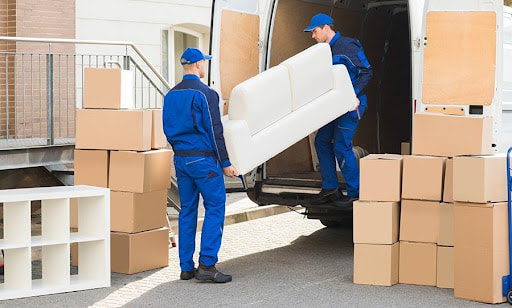 Vetrun movers for local movesWhy you should choose Vetrun movers :
Why people choose to hire professional local moves
History of Vetrun moversAt Vetrun movers, we believe in the motto "Your Move, Our Mission." We ensure every move is a smooth transition and stress-free moving experience. It was founded by Cordan, a Disabled Veteran and US Army Cavalry Scout with seven years of experience as a General Manager. Vetrun Movers is co-owned by James McTiernan, with 30 years of business Management. Our service areas are Nashua, Salem, Hudson, Candia, Bedford, and Merrimack. Process of Vetrun moversThe process of Vetrun movers is quite simple, and we help you understand how they handle a move within the same area. It is imperative to note that the specific process may vary from one moving company to another, and customization options depend on your needs. Communicate your requirements clearly with the moving company to ensure a smooth and successful move. Here's an overview
Tips to keep in mind for local movesPacking and moving can be challenging, but careful planning and organization can make it more manageable. Here are some tips to keep in mind for local moves: Create a Moving Checklist: Make a detailed list of tasks, including packing, hiring movers, transferring utilities, and updating your address. A checklist will help you stay organized. Declutter: Before packing, go through your belongings and decide what to keep, donate, or discard. It will reduce the number of items you need to move and make unpacking easier.
Check for Damages: Inspect your belongings for any damage during the move. If you find any issues, document them and contact the moving company. Here are five ways to save money for moving expenses:
Frequently Asked Questions (FAQs)What makes Vetrun movers a perfect solution for local moves?
At Vetrun movers, we provide our professional crew, local expertise, and customized services at an affordable rate. We understand the local route and offer a smooth moving experience. Our professional team handles your belongings with utmost care and precision with modern equipment. Which local areas do Vetrun movers operate in?
We provide our services in Manchester and its surroundings. We operate in Nashua, Salem, Hudson, Candia, Bedford, and Merrimack. We have extensive knowledge of the city and its neighborhoods How can we contact Vetrun movers for local moves?
You can contact us on our landline number, which you see on the page. Another way to contact us is through our website, vetrunmovers.com. We will answer your every query and guide you to make the right choice for your move. |
AuthorWrite something about yourself. No need to be fancy, just an overview. Archives
July 2024
Categories |
 RSS Feed